Your breaker keeps tripping. Here is how an electrician narrows it down
The isolation method a technician uses, and how to do the first half yourself.
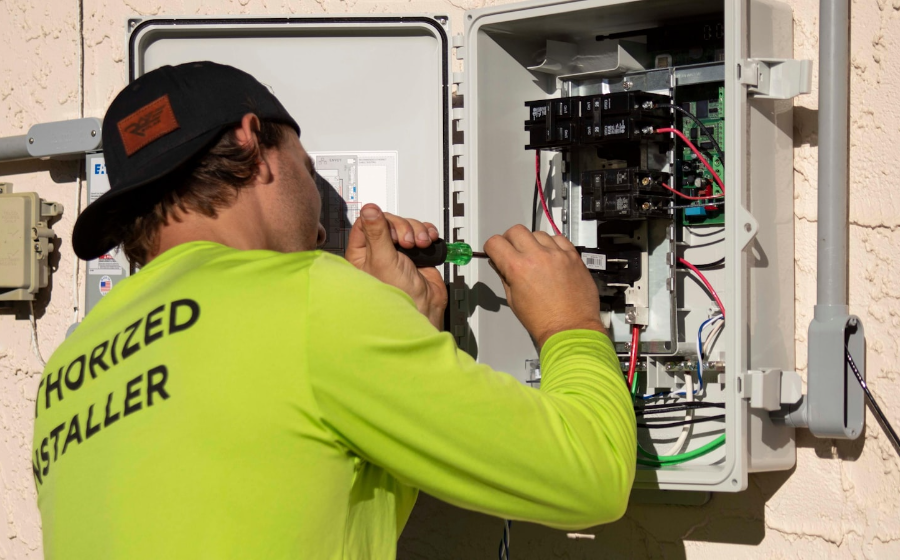
A breaker that trips is doing its job. The question is what it is protecting against, and there are only three answers: too much load on the circuit, a faulty appliance leaking current to earth, or damaged wiring. The method for telling them apart is the same one every electrician uses, and you can safely do the first half of it.
Step one: which breaker
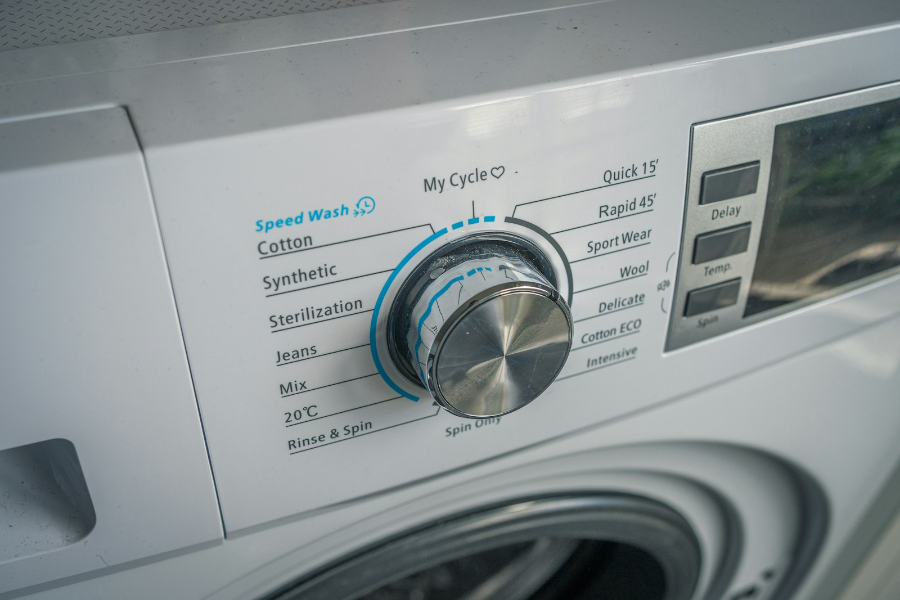
Note exactly which breaker trips and what was running at the time. If it trips the moment a specific appliance starts — the washing machine on heat, the AC on compressor start — you have already isolated it to that appliance in most cases.
Step two: unplug everything on that circuit
Turn the breaker off, unplug every appliance on the affected circuit, then reset it. If it holds, plug items back one at a time, waiting a few minutes between each. The one that trips it is the fault. This is safe to do and it resolves a good share of calls before anyone has to visit.
Step three: if it trips with nothing plugged in
Stop here and call an electrician. A circuit that trips with no load has a fault in the fixed wiring — a damaged cable, water in a conduit or back-box, or a failed accessory. That needs insulation resistance testing to locate, and it is not a DIY job.
Overload versus earth fault
These are different problems with different fixes. An overload means the circuit is carrying more current than it was designed for, usually because AC units or a water heater were added to a circuit intended for sockets. The fix is a new dedicated circuit from the board, 350 to 1,200 riyals, not a bigger breaker.
An earth fault, which trips an RCD rather than a standard breaker, means current is escaping to earth. That is a safety issue, and it should be traced rather than reset repeatedly.
One thing never to do
Do not fit a higher-rated breaker to stop nuisance tripping. The breaker is sized to the cable behind it. A larger one lets the cable overheat before the protection operates, and that is how wiring fires start.