Frost keeps building in the freezer: defrost faults explained
Heater, timer or thermostat — how to tell which part has failed.
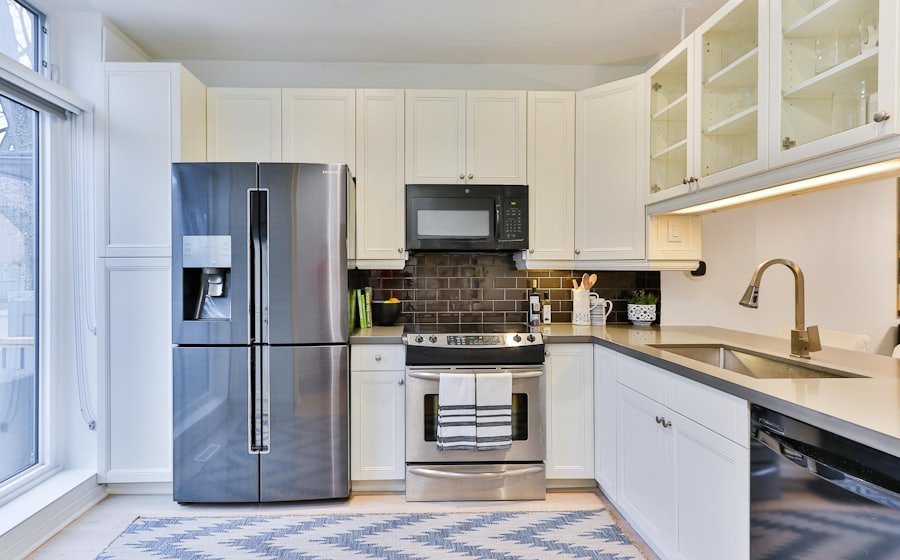
A frost-free freezer that is building a wall of ice on the back panel has a defrost system fault. Every such fridge runs a heater on a cycle to melt the frost that forms on the evaporator coil; when one part of that circuit fails, the ice accumulates until it blocks airflow and the fridge compartment starts running warm.
Confirming it is the defrost circuit
Two symptoms together point clearly at defrost: heavy frost on the rear panel of the freezer, and a fridge section that has become warmer while the freezer still feels cold. The blocked coil is starving the fridge of cold air even though cooling itself is working.
Which of the three parts failed
There are three usual suspects. The defrost heater itself, an element wrapped around the coil, fails open and simply stops producing heat. The defrost thermostat, a bi-metal switch, fails and never closes the circuit. The timer or control board stops calling for a defrost cycle at all.
A technician tests each in a few minutes with a multimeter: continuity across the heater, continuity across the thermostat when cold, and whether the board is putting voltage on the heater line during a forced defrost. The part cost is small; the labour is the manual defrost that has to happen first.
What the repair involves
The freezer has to be emptied and fully defrosted before anything can be tested or replaced — usually two to three hours with the door open, or faster with a controlled heat source. That is why this job takes an afternoon even though the failed part is inexpensive. Expect 190 to 480 riyals all in.
The cheaper explanations
Before assuming a defrost fault, check the door seal. A gasket that no longer grips pulls warm humid air in continuously, and the frost that forms is often mistaken for a defrost failure. Hold a sheet of paper in the closed door: if it slides out with no resistance, the gasket needs replacing — 130 to 300 riyals, and far less disruptive.